ERP system training course in Saudi Arabia
What is an ERP system and why does every modern organization need it?
ERP (Enterprise Resource Planning) systems are integrated programs used to manage all an organization's operations from one place, such as managing human resources, finance, sales, inventory, and supply chains. The strength of these systems lies in their ability to aggregate data and provide a unified and accurate view, which facilitates decision making and saves time and costs. For Saudi organizations seeking digital transformation, investing in ERP is no longer an option, but rather a competitive necessity.

ERP System in Saudi Arabia
Many businesses grow faster than their internal systems. At the beginning, using separate tools for sales, inventory, and accounting may seem enough. However, as operations expand, things start to become more complicated. Data becomes scattered, tasks take longer, and mistakes occur more frequently.
Teams spend more time fixing problems than actually moving the business forward. This is where having a clear system in place becomes critical, especially when managing multiple processes at the same time. An ERP system is often considered when businesses reach this stage and begin looking for better control and visibility.

What an ERP System Solves?
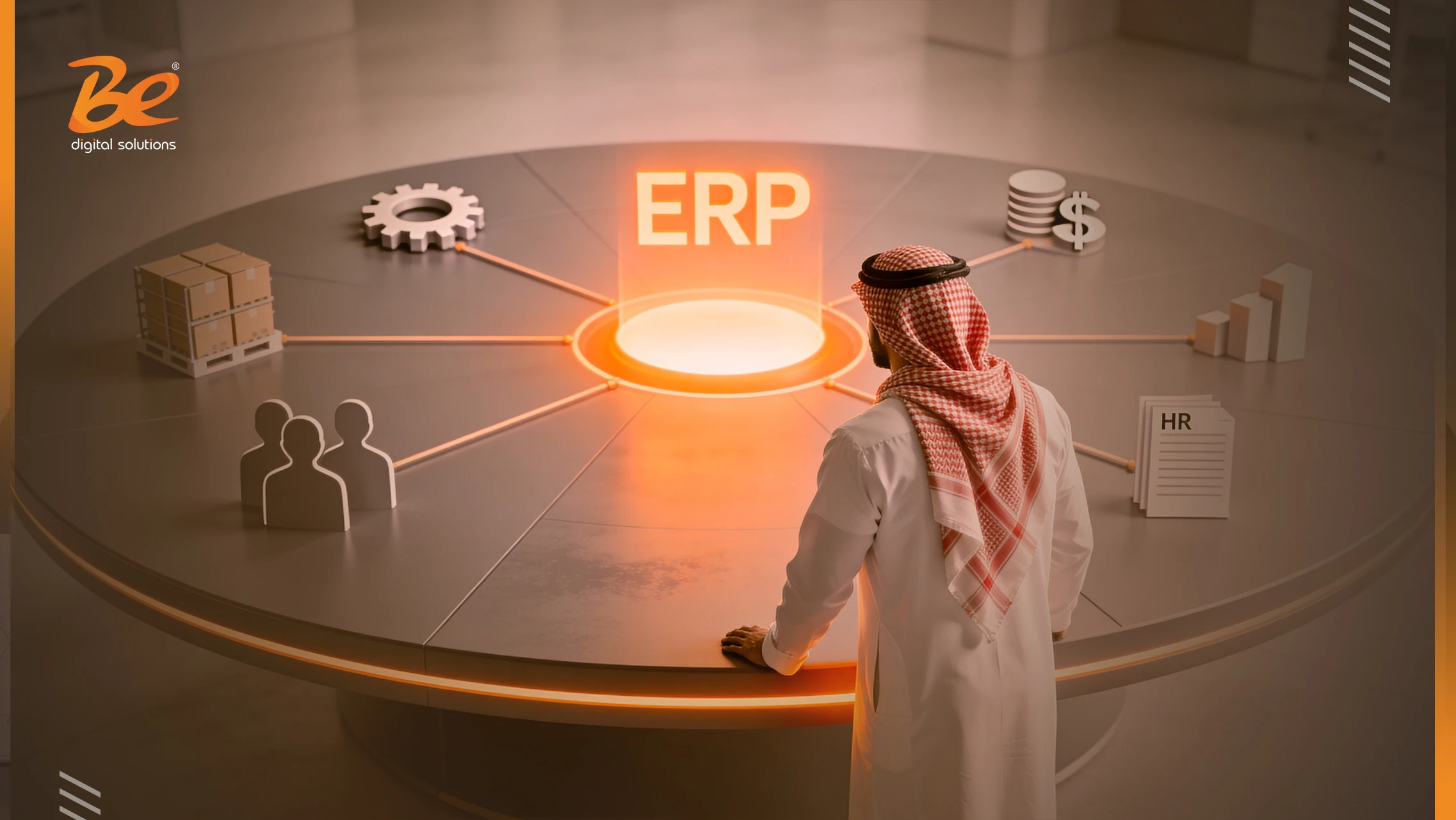
An ERP system is designed to bring all business operations into one place. Instead of using separate tools for each department, everything is connected within a single platform. This is what makes the difference.
With a proper Enterprise Resource Planning System, businesses can:
- Connect sales, inventory, accounting, and operations in one platform.
- Reduce manual work and repeated data entry.
- Access real-time data across all departments.
- Make faster and more accurate decisions.
A well-built ERP Software does not just organise data. It helps businesses see the full picture clearly, without delays or confusion.

Key Features of a Successful ERP System
Not every system delivers the same value.A successful ERP System is built to simplify operations, not complicate them. The goal is to give business owners full control with less effort.
Here are the key features that make the difference:
- Centralised dashboard to manage all operations in one place.
- Real-time reports that support faster decision-making.
- Integrated modules for finance, inventory, sales, and HR.
- Scalable ERP Software that grows with the business.
- Easy access to accurate data without delays.
These features allow businesses to move faster, reduce errors, and improve overall performance.

Can ERP software be customised for my business?
Yes, a modern ERP system can be customised to fit your business processes rather than forcing you to adjust your workflow. Since every company operates differently, having a flexible enterprise resource planning system allows you to modify modules, reports, and features based on your needs.
This level of customisation helps the system support daily operations more effectively and improves overall efficiency.

What is the difference between cloud ERP and on-premise ERP?
A cloud ERP System runs online and allows access from anywhere, while on-premise systems are installed on local servers within the company.
Cloud solutions are easier to manage because they include automatic updates and require less technical maintenance. On-premise systems, on the other hand, often involve higher setup costs and ongoing IT support.
For this reason, many businesses today prefer cloud-based ERP Software for its flexibility and ability to scale with growth.
Why Does the BE Group ERP System Make the Difference?
At Be Group, we understand that every business has different needs. That is why our ERP system is built to be flexible, simple, and focused on results.
We do not offer a generic solution. We provide a system that fits your business.
What makes our solution different:
- Customised setup based on your business operations.
- Simple interface that teams can use without confusion.
- Full support from setup to daily use.
- Practical ERP system training to ensure your team uses the system effectively.
- Continuous improvement to match your business growth.
Our goal is not just to deliver ERP software, but to help you build a system that supports your business every day.
With the right enterprise resource planning system, you can save time, reduce errors, and focus on growing your business with confidence.
Ready to simplify your operations and take full control of your business? Let’s get started today.

Frequently asked questions about campaign management In Saudi Arabia
For a limited time, get a 30-minute marketing consultation worth SAR 1,200 with an expert digital marketer for free!
Opportunities are limited!
Address and contacts
Al Malqa Street, Al Deira District, Riyadh - Kingdom of Saudi Arabia
Contact us
One step away from increasing your customers.. Take it now!
Thank you for your submission. We will contact you soon!